College Research
& Publishing.
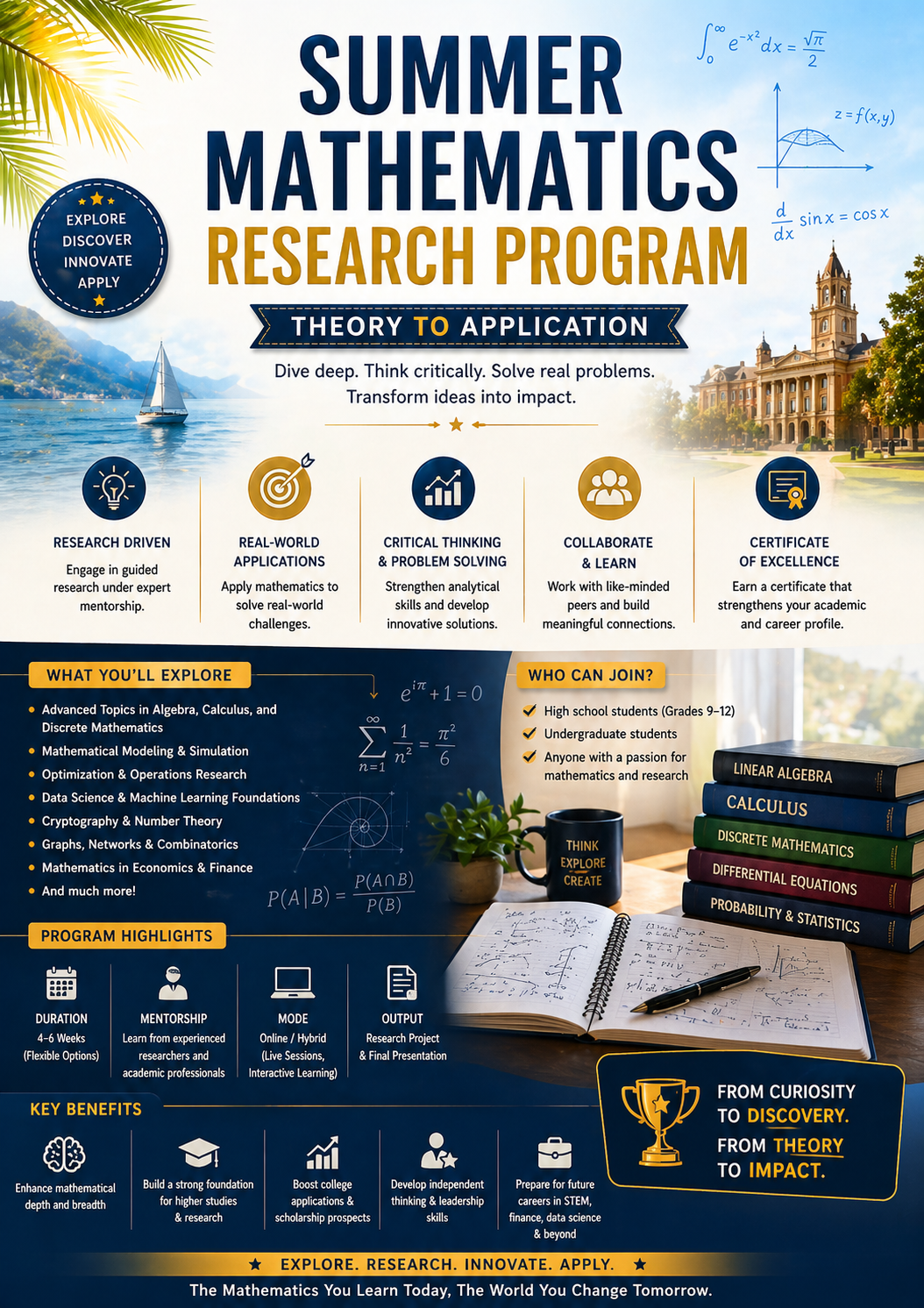
The ultimate Ivy-League admissions prerequisite. Work 1-on-1 with elite mentors to design, execute, and publish peer-reviewed academic research before high school graduation.
The Framework
-
Finding the Gap: We don't write summaries. We teach students how to read collegiate literature and find a novel, unsolved gap in the data.
-
Publication Engine: We navigate the complex world of academic peer-review, targeting high-impact student and undergraduate journals.
The Ultimate Admissions "Spike"
In the highly competitive landscape of Ivy-League and Top-20 global university admissions, having a 4.0 GPA and perfect SAT/ACT scores is no longer a differentiator—it is simply the baseline. Admissions officers are looking for "Intellectual Vitality."
There is no greater proof of intellectual vitality than a published, peer-reviewed research paper. It demonstrates that a student possesses the tenacity, technical writing skills, and profound curiosity required to contribute to the academic community, rather than just consume from it.
The EduGlobal Difference
MethodologyThe "High School" Essay
Most high school students write "research papers" that are simply extended Wikipedia summaries. They compile existing information without adding any novel data, original thought, or statistical analysis.
True Collegiate Research
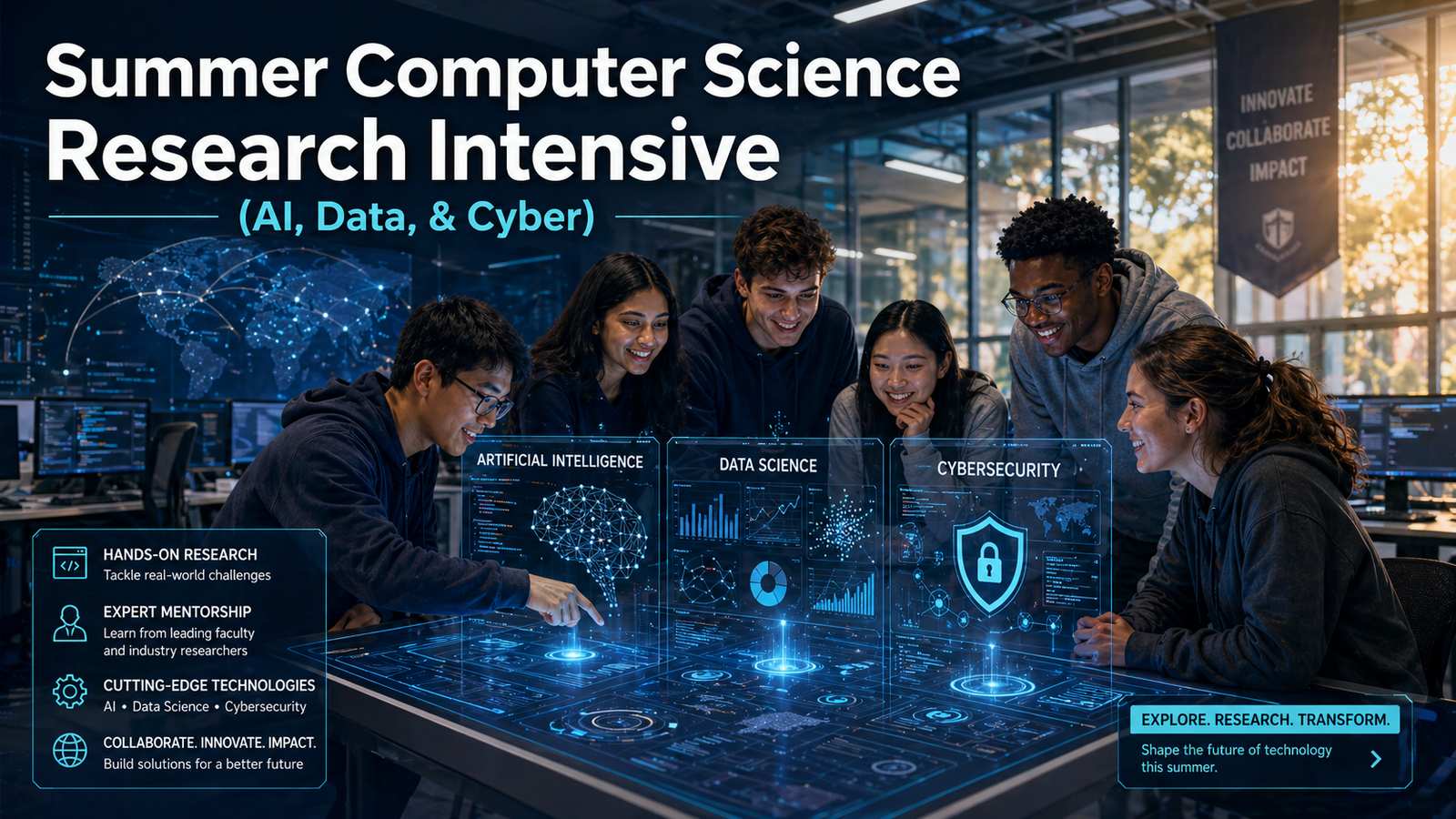
We train students to identify gaps in current literature, design experiments or scrape datasets, run original quantitative analysis (using Python or R), and author a paper formatted for actual academic journals.
The 4-Phase Publishing Pipeline
Our 1-on-1 mentorship program spans 12 to 24 weeks, methodically guiding a student from zero experience to a fully submitted manuscript.
Literature Review & Gap Identification
Students are taught how to read complex academic papers on Google Scholar, PubMed, and IEEE Xplore. They learn to identify conflicting studies and isolate a highly specific, answerable research question.
Methodology & Data Collection
Depending on the discipline (STEM, Economics, or Humanities), mentors guide students through designing surveys, scraping open-source databases (Kaggle/World Bank), or running computational simulations.
Quantitative Analysis & Academic Drafting
Students learn to analyze their data using statistical inference (T-Tests, ANOVA, Regression). They then structure their manuscript into the standard academic format: Abstract, Introduction, Methodology, Results, and Conclusion.
Peer Review & Publication Strategy
The final manuscript is rigorously edited. We then guide the student through the submission process, targeting prestigious platforms such as the Journal of Emerging Investigators (JEI), The Concord Review, or SSRN/arXiv preprint servers.
Admissions Portal
Research Candidacy
The Intel Vault
Related Assets & Tools
Explore adjacent programs, diagnostic tests, and elite study guides.